Every guest who calls us with a camera bag already packed asks the same Samburu vs Masai Mara big cats question. Which one actually delivers lions, leopards, and cheetahs? Most blogs answer with soft words like “abundant wildlife” and leave you guessing. We would rather give you numbers, named camps, and the honest trade-offs, because that is what helps you plan a trip that matches what you actually want to photograph.
Samburu vs Masai Mara Big Cats: What the Numbers Show
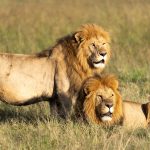
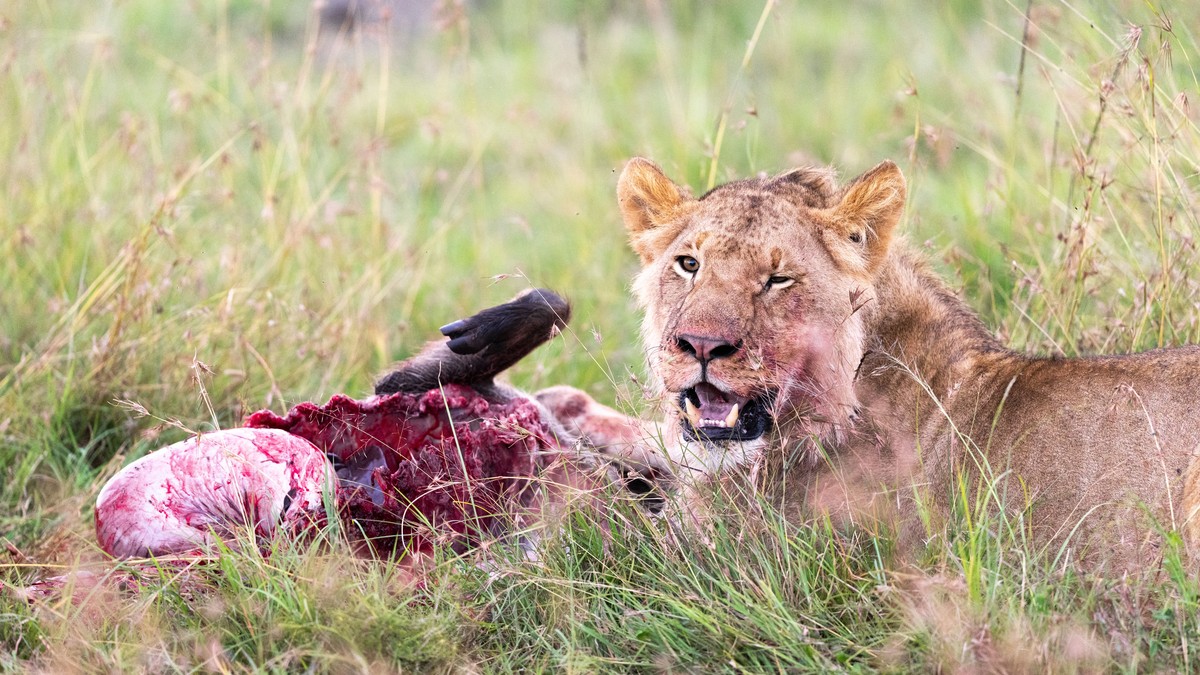
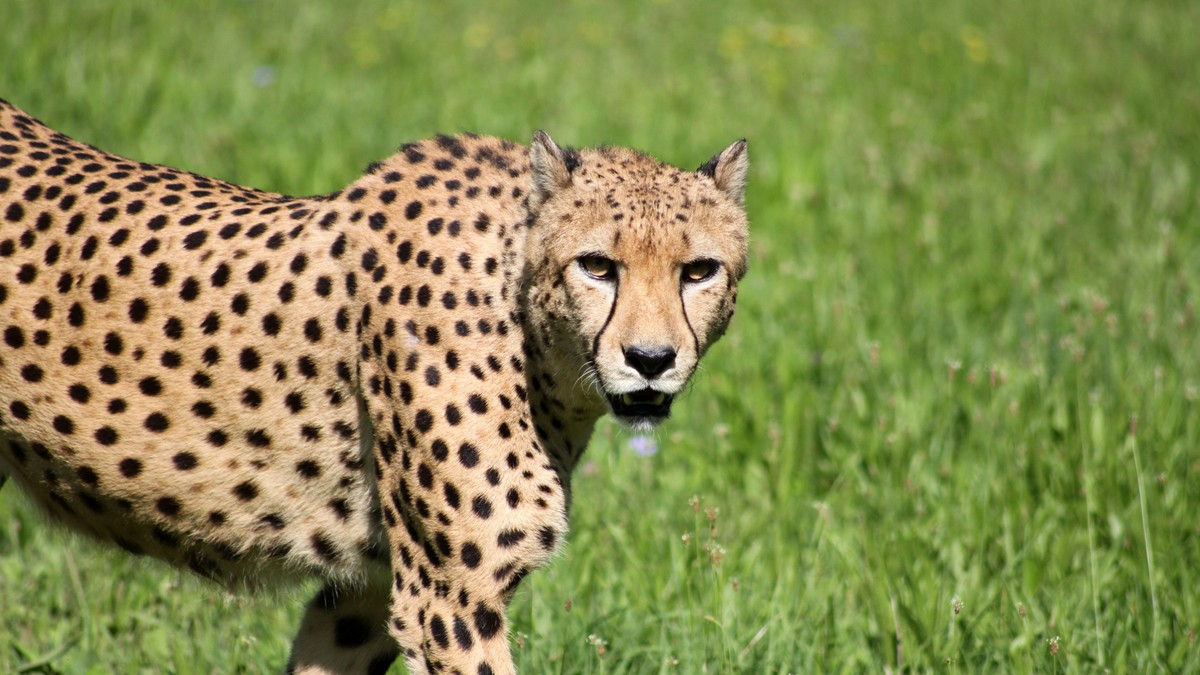
The Masai Mara ecosystem holds an estimated 850 to 900 lions, one of the densest lion populations left in Africa. Prides here are large, often 15 to 20 animals, and sightings during a three or four night stay are close to guaranteed. Cheetahs also do well in the open grassland, especially around Naboisho and the Mara Triangle, where good visibility favors their hunting style.
Samburu tells a different story. Lion numbers across Samburu National Reserve, Buffalo Springs, and Shaba sit at roughly 50 to 70 animals, a fraction of the Mara’s count. What Samburu does have is leopards. The riverine forest along the Ewaso Nyiro River, thick with doum palms and acacia, gives leopards cover close to camps, and guides here often know individual cats by name. Cheetahs exist in Samburu but in low numbers, so if a cheetah hunt is your priority shot, temper your expectations.
If you want the fuller picture on where each of Kenya’s iconic species concentrates, our guide to where to see Kenya’s Big Five breaks it down park by park.
Samburu Special Five vs the Masai Mara Big Five
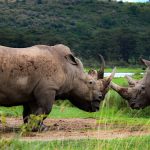
The Mara plays the classic Big Five game: lion, leopard, elephant, buffalo, and rhino, with black rhino present in low numbers inside the reserve and higher density in the Mara Conservancy. Samburu counters with its own Special Five: Grevy’s zebra, reticulated giraffe, Somali ostrich, gerenuk, and beisa oryx. None of these are cats, but they explain why photographers who already have their lion shots from the Mara still find Samburu worth the trip. The backdrops and species mix are genuinely different, not a repeat of the same frame.
Landscape and Light: What It Means for Photographers
The Mara’s open grassland gives you long sightlines and dramatic storm light, especially from March to May and in November. Samburu’s terrain is drier and more textured, red earth, doum palms, and the Ewaso Nyiro cutting through it. Golden hour light bouncing off that red soil is one of the most requested shots we set up for clients, usually timed for a sundowner stop near Buffalo Springs.
Crowds, Vehicles, and Conservancies
This is where Samburu quietly wins. It receives a fraction of the visitor numbers the Mara does, so a leopard sighting might mean two vehicles, not twelve. The Mara’s public reserve can get crowded around major sightings during July and August, though private conservancies solve this. Mara North and Naboisho cap vehicle numbers per sighting, which keeps the experience closer to what Samburu offers naturally. Our post on conservancy vehicle limits that affect sighting quality explains how these rules work and why they matter for photography.
Culture: Samburu and Maasai Communities
The Maasai around the Mara and the Samburu people further north share language roots but differ in dress, beadwork, and tradition. Maasai villages near the Mara are used to visitors and often include a village walk in standard itineraries. Samburu communities, particularly around Kalama and West Gate conservancies, offer a quieter, less commercialized cultural visit, often arranged directly through community-run conservancies rather than set tourist stops.
Getting There and What It Costs
Both destinations are reachable from Nairobi by road or air, but the numbers differ enough to matter for planning.
| Masai Mara | Samburu | |
|---|---|---|
| Distance from Nairobi | About 270 km via Narok | About 325 km via Nanyuki and Isiolo |
| Drive time | 5 to 6 hours | 5 to 6 hours |
| Flight from Wilson Airport | About 45 minutes | About 1 hour 10 minutes |
| Park fee, non-resident (per day) | USD 80 (Masai Mara National Reserve) | USD 70 (Samburu National Reserve) |
| Conservancy fee (per night) | USD 100+ (Mara North, Naboisho) | USD 60 to 100 (Kalama, West Gate) |
| Budget camp (per person/night) | USD 150 to 250 | USD 120 to 200 |
| Mid-range camp | USD 350 to 550 (e.g. Kicheche Mara Camp) | USD 300 to 450 (e.g. Elephant Bedroom Camp) |
| Luxury camp | USD 700 to 1,200 (e.g. Angama Mara) | USD 600 to 900 (e.g. Saruni Samburu) |
Samburu generally runs about 15 to 20 percent cheaper across every tier, mostly because of lower conservancy fees and less demand.
Best Time of Year for Big Cat Sightings
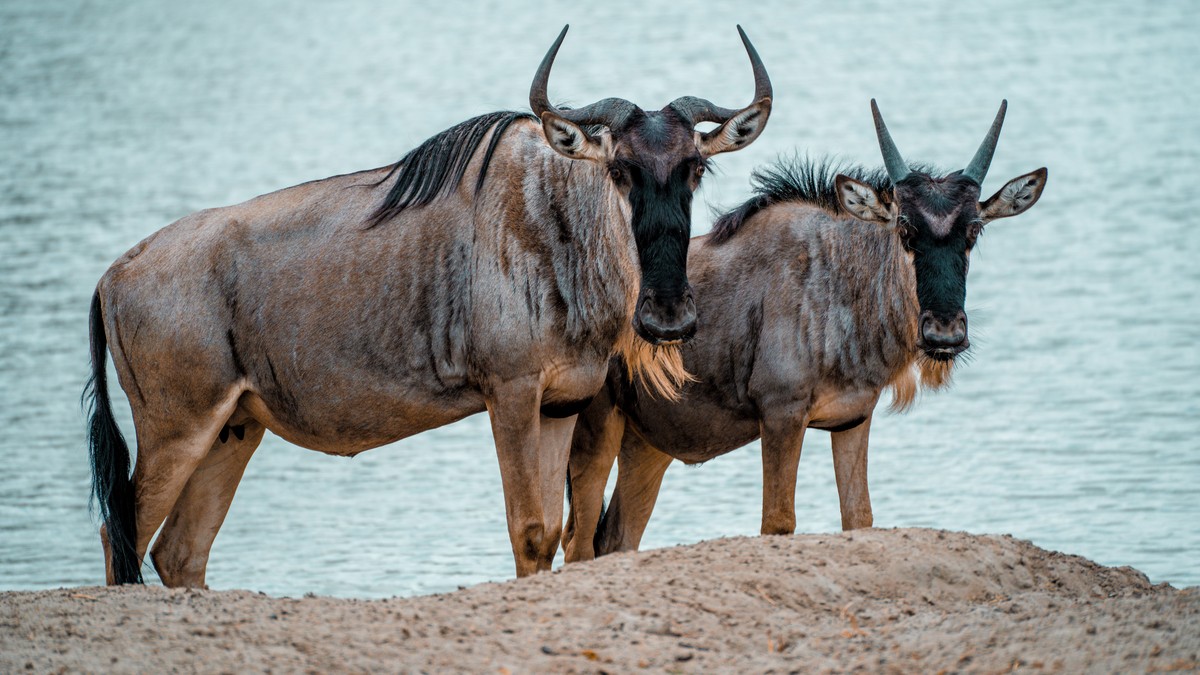
For the Mara, June through October covers the wildebeest migration, when predator activity spikes as herds cross the Mara River. July and August are peak crowds. For Samburu, the dry months of June to October and January to February concentrate animals around the Ewaso Nyiro, making leopard sightings more predictable. Both destinations slow down during the long rains in April and May, though rates drop too if you do not mind grey skies.
Which Safari Suits Which Traveler
If you want volume, guaranteed lion action, and dramatic migration scenes, the Mara delivers. First-time safari photographers usually leave satisfied within three days. If you have already done the Mara and want leopards at close range, fewer vehicles, and a different landscape for your portfolio, Samburu is the better second safari. Photographers chasing a complete Kenya story often want both, and it helps to understand how the Mara compares to the Serengeti too, since some itineraries fold in both ecosystems.
Can You Combine Both in One Trip?
Yes, and we build this itinerary often. A 6 to 7 night trip split evenly between Samburu and the Mara works well, with a short flight connecting the two rather than a long road transfer. Start in Samburu for three nights to settle into safari rhythm with lighter crowds, then fly to the Mara for the main event. This order also means you are not comparing the Mara’s density to a quieter park right afterward, which can otherwise feel like a letdown.
The Valley Safaris Difference
We do not sell you the park, we sell you the days inside it. That means matching your camp to the season, briefing your guide on the shots you want before you land, and building in flexible game drive times instead of fixed slots. Past guests remember the surprise sundowner picnic on a Mara ridge more than they remember which camp they stayed at, and that is the kind of detail we plan for every trip, not just the special ones. We also know which conservancies are quiet in a given week, because our guides talk to each other daily, not just to head office.
FAQs
Which is better for wildlife viewing, Samburu or Masai Mara? For overall predator density, the Mara wins with its larger lion population and stronger cheetah numbers. Samburu wins specifically for leopards.
Does Samburu have fewer lions than the Mara? Yes. Samburu holds an estimated 50 to 70 lions across its three reserves, compared to the Mara’s 850 to 900.
Is Samburu worth visiting if I have already done the Mara? Yes, especially for leopards, the Special Five species, and a quieter, red-earth landscape that photographs differently.
Which is cheaper, Samburu or Masai Mara? Samburu, typically by 15 to 20 percent across camp tiers, due to lower conservancy fees and less demand.
Can I do both in one trip? Yes. A 6 to 7 night itinerary with a short flight between the two works well and is one of our most requested trips.
Plan Your Big Cat Safari With Us
Whether you are chasing leopards in Samburu or lion prides in the Mara, we can build an itinerary around the shots and pace you want. Visit our tour page to see current itineraries, or reach out through our contact page to start planning.